This is not your typical therapy session.
Because sometimes talking about it isn't enough.BODY
Your body is part of the conversation.
We pay attention to what happens before you have words for it—the tension, shutdown, restlessness, racing heart, numbness, urge to escape, or sense that something just isn't right.
Your body learns from experience, too. Understanding those patterns gives us more places to create change than thought alone.
Trauma isn’t what happened to you. It is what happened inside you.
—Gabor Mate
BRAIN
Your brain is always learning.
It notices patterns, makes predictions, and builds shortcuts based on what you've experienced. Sometimes those patterns keep running long after they're useful.
We help you understand what your brain is doing and why—so instead of fighting with yourself, you can learn where and how to interrupt the pattern.
RELATIONSHIP
We learn who we are in relationship with others.
Connection, disconnection, safety, rupture, belonging, and rejection all shape what we come to expect from other people—and from ourselves.
We explore the patterns you learned in relationship, how they show up now, and what it might look like to experience connection differently.
EXPERIENCE
Knowing what happened isn't always enough.
Experiences can leave patterns behind—in what you expect, what you avoid, how you respond, and what your brain and body have learned to protect against.
Therapy gives us a place to work with those patterns as they show up now—not just understand where they came from.
THE WHY. THE WHAT. THE HOW.
Understanding isn't the same as overthinking.
WHY
Not “Why am I like this?”
Instead: What did this pattern once do for me? What makes it make sense in context?
WHAT
What is happening right now—in your thoughts, emotions, body, nervous system, and relationships?
HOW
How do we work with what's happening instead of thinking our way around it?
SO, WHAT MIGHT THERAPY ACTUALLY LOOK LIKE?
Sometimes we talk. Sometimes we notice what your body does while you're talking. We might draw, move, map a pattern, learn some neuroscience, work with an emotion that doesn't have words yet, or get curious about what just happened between us in the room. There isn't one right way to do therapy here. What we do depends on you, what we're working with, and what your system has the capacity for that day.
WAYS WE WORK
Different brains, bodies, histories, and nervous systems need different ways of working. Our clinicians draw from approaches that may include Brainspotting, EMDR, somatic and nervous-system work, attachment-based therapy, guided drawing and expressive approaches, DBT/CBT, psychoeducation, and neuropsychotherapy. You don't need to know which one you need. That's part of our job.
MEET THE COLLECTIVE
Different humans. Different ways of working. A shared belief that therapy should be responsive to the person sitting in front of us—not the other way around. Find the person whose way of thinking, working, and being feels like it might fit with yours.
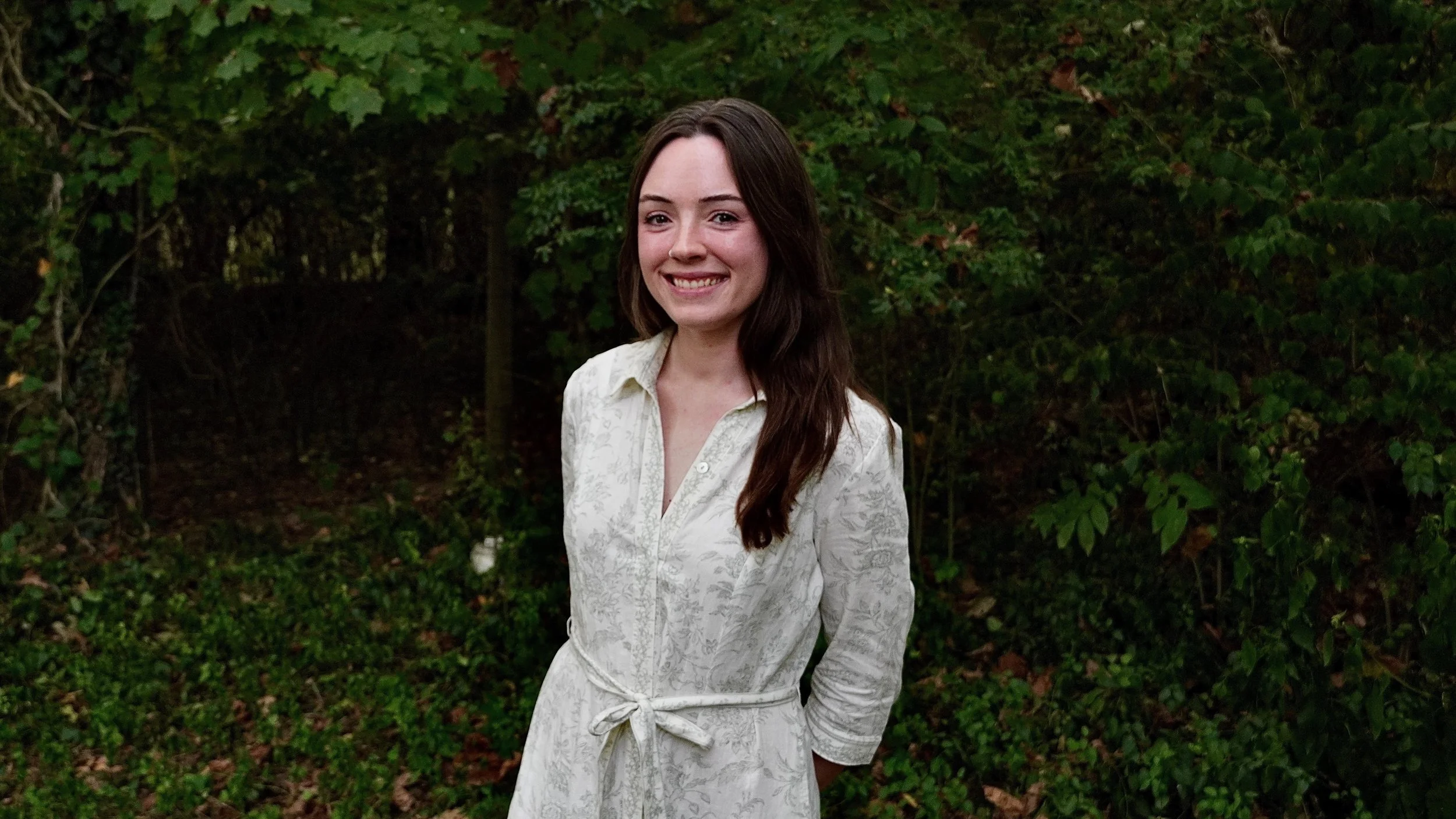
Stephanie Anderson
LPC-MHSP
• Complex Trauma
• Attachment
• Neurodivergence • Nervous System
Therapy with Stephanie is curious, experiential, and rarely boring. Expect neuroscience, psychoeducation, weirdly accurate metaphors, probably a diagram or two, and questions about what your body is doing while your brain is busy explaining everything. She’ll help you connect dots you didn’t know belonged together—and then figure out what to actually do with what you discover. There may also be swearing.
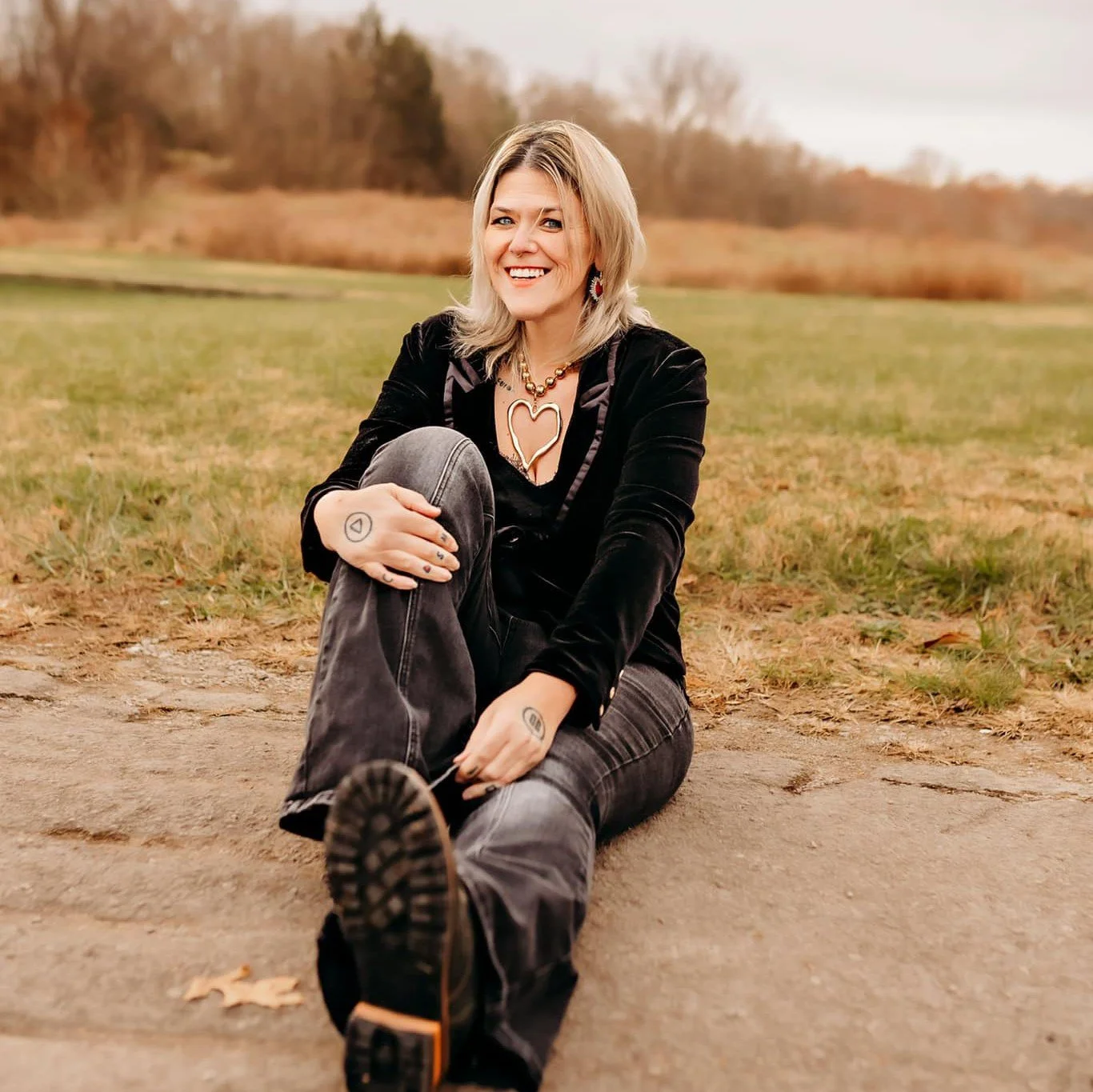
Alyssa Reaume
A-LPC/MHSP
• Couples • Attachment
• Anxiety
• Trauma • Grief • LGBTQIA+
Therapy with Alyssa is warm, steady, and deeply relational. She creates space to slow things down, feel what’s actually happening, and understand the patterns underneath emotional overwhelm, disconnection, and relationships. Expect gentleness, nervous-system awareness, genuine connection, laughter—and yes, you can bring her the tea.
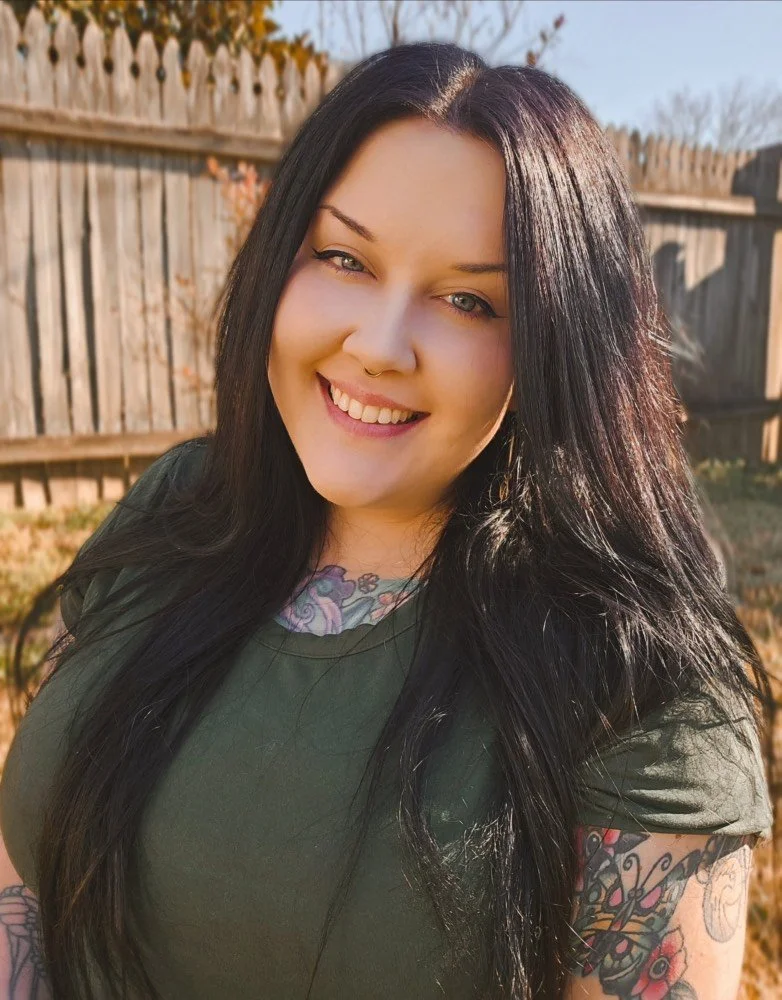
Mo Stone
Pre-licensed Clinician
• Neurodivergence
• Attachment
• Addiction • Relationships
• Emotional Intensity
Therapy with Mo is direct, curious, and unafraid of complexity. She works especially well with people who have spent a lot of their lives feeling misunderstood, “too much,” or difficult to fit into traditional therapy spaces. Expect pattern-spotting, depth, honesty, and a therapist who isn't going to back away when things get complicated.
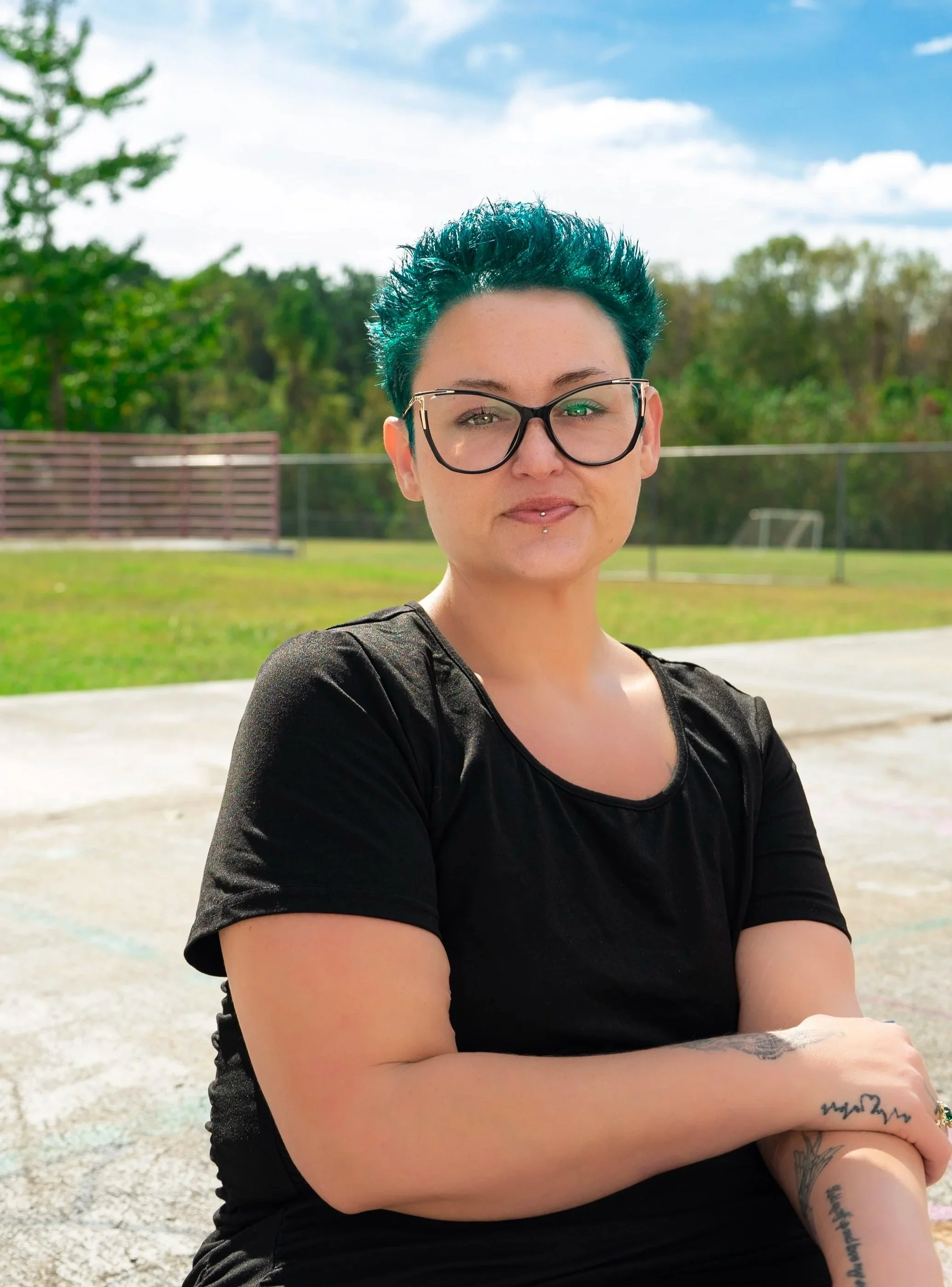
Rebecca Reuter
Intern
• LGBTQIA+
• Attachment • Couples
• Neurodivergence
• Nervous System
Therapy with Rebecca is thoughtful, nuanced, and grounded in genuine curiosity. She has a knack for noticing the complexity in what people bring into the room without trying to reduce it to a simple explanation. Expect a therapist who thinks deeply, asks good questions, catches the details that matter, and remains relatable while exploring the complicated stuff with you.
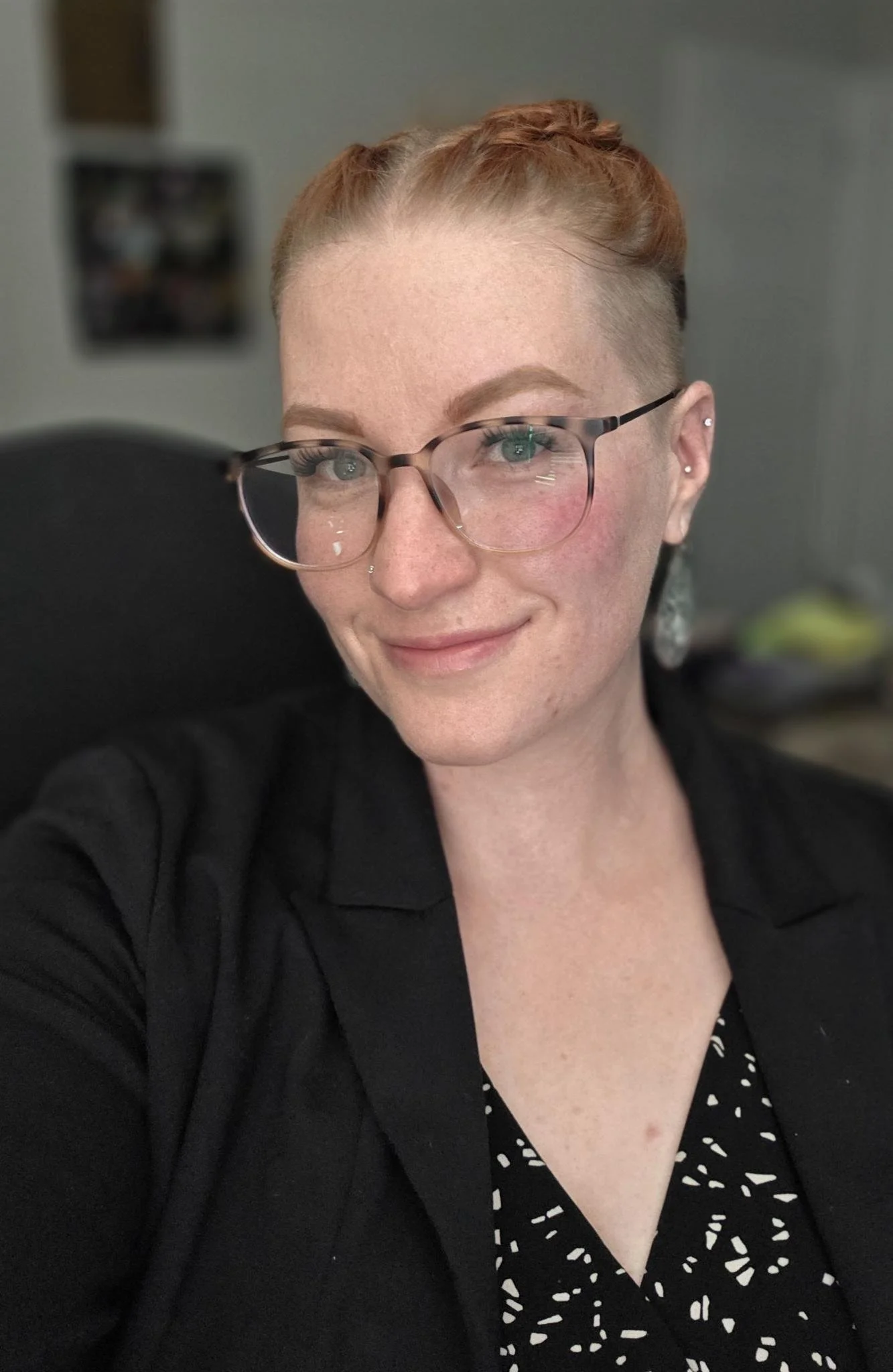
Cassie Welch
Intern
• Youth & Young Adults
• Neurodivergence
• LGBTQIA+
• Self-Image • Emotional Regulation
Therapy with Cassie is gentle, curious, and intentionally unhurried. She works with clients who may feel disconnected from themselves, struggle to understand or express what they need, or want to build greater trust in who they are. Expect a warm, affirming space where your pace matters, patterns are explored without judgment, and you won't be pressured to go somewhere before you're ready